September 3, 2026
What Paxos Still Knows About Making Things Slowly
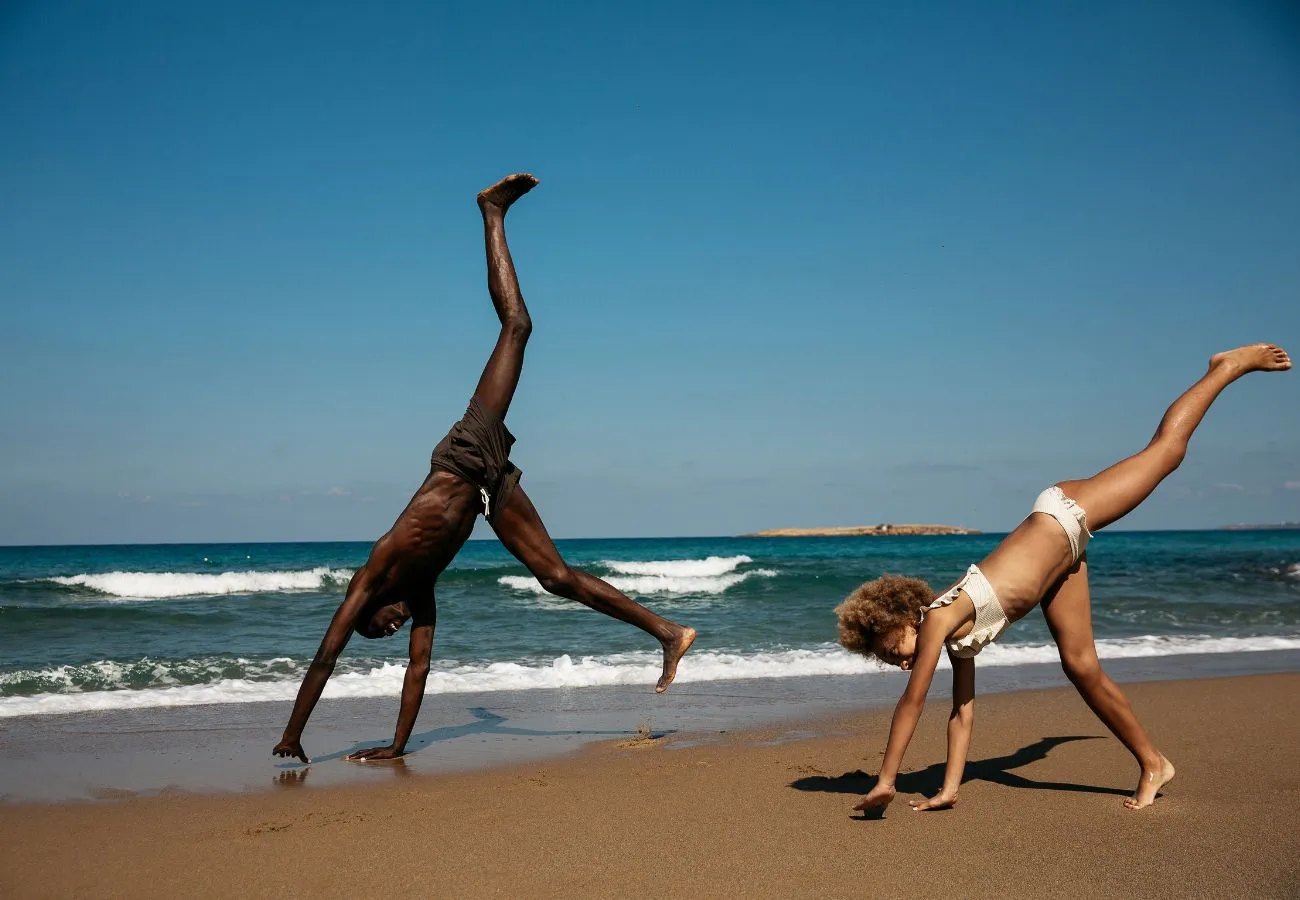
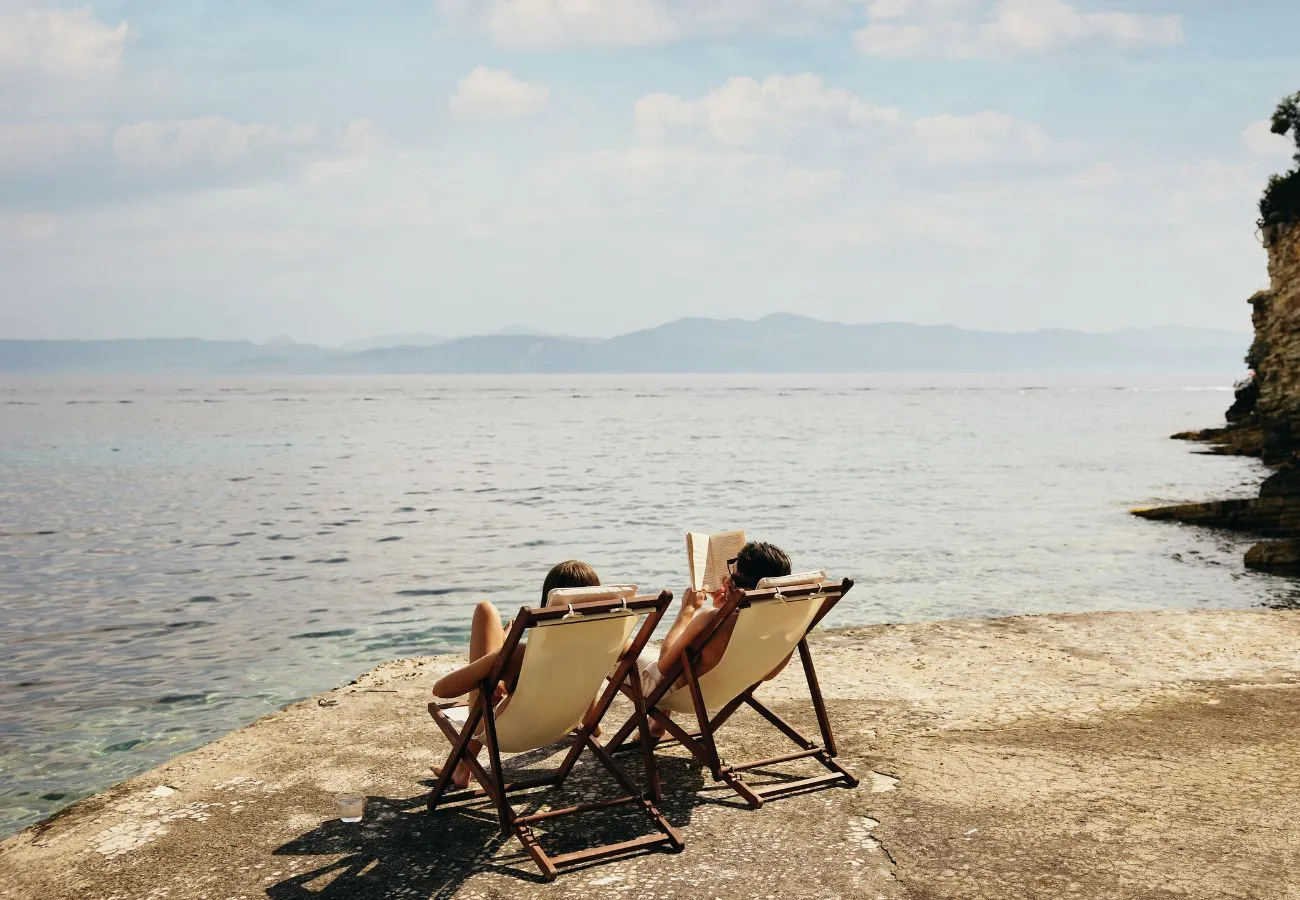
They say true relaxation occurs somewhere far, far away from the un-relaxing thought that it “must” happen. It’s an oxymoron that our non-vacation self strictly structures the vacation itinerary in a way that feels almost corporate. And the obsession grows, drawing us further and further away from the end goal…
But what about surrendering to it? How, you may ask? By visiting a place rooted in calmer heartbeats, serene smiles and open arms. The recipe for fundamental self-care.
Paxos did not discover slow living as a modern wellness philosophy. It has been practising versions of it for centuries. Long before “getting away from it all” became a travel category, apparently even the gods understood the appeal. According to mythology, it was the retreat Poseidon imagined and created with his trident, cutting a piece away from Corfu to create somewhere secluded for himself and Amphitrite.
The very anatomy of the island encourages slow and deep understanding. Discovering it on foot and hearing its secrets at whispering volume makes for an experience you will never forget, even when you eventually get back to planet Earth after leaving. That’s right. Let’s step off the planet for a while.
What Paxos Still Knows About Making Things Slowly, Scenery-Wise
Gaios is the island’s main harbour and hub. Quaint, loved and rich in colour, you may find yourself wandering through it like a kid in a playground. So many things to take in. Smells, textures, fragments of local conversation, boats moving in and out, and the pleasant surprise of olive groves appearing along your path. Who could imagine such a small piece of land had this much abundance to offer?
And Paxos rewards walking. A network of paths moves through old olive groves and between settlements, with longer routes connecting places such as Gaios, Loggos and Lakka. Here, walking is less about counting steps and more about allowing the geography to unfold itself.
When observing the island’s visual language, its long Venetian chapter becomes evident. Venice ruled Paxos from 1386 until 1797, a period that left its imprint on the island’s built environment and, perhaps even more visibly, its landscape. The extensive olive groves seen today date back to the Venetian era, while olive oil later became tied with the island’s identity.
There is something rather fitting about the olive tree becoming one of Paxos’ symbols. It grows according to its own logic. It cannot be hurried into maturity and can continue producing across generations. Maybe this is where the island’s relationship with time becomes clearest: patience here has quite literally shaped the scenery.
What Paxos Still Knows About Making Things Slowly, Food-Wise
Naturally, all those olive trees eventually lead us somewhere important. The table of Paxos.
Food is perhaps the easiest way to understand slow living without philosophising about it too much. Fresh fish from the Ionian waters, local olive oil, vegetables and herbs, wine, pies, all made from ingredients that do not need complicated explanations. Because everything found in the island’s kitchen is born though the relationship it holds with the place.
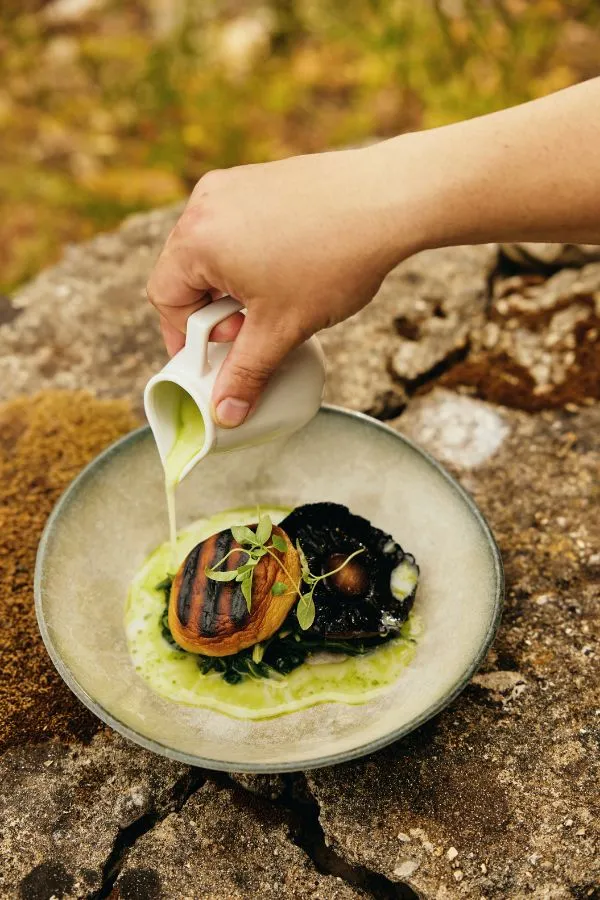
At Agali Hotel Paxos, this relationship becomes particularly literal. Visalo follows an island-to-table philosophy, sourcing ingredients locally, including produce from the hotel’s own Bostani garden. Its menu looks towards Paxos and the wider culinary traditions of the Ionian Islands, while ingredients are sourced within a 100-kilometre radius.
Perhaps slow food was never really about spending more time waiting for dinner. It is about shortening the distance between the garden, the sea, the people who produce something and the person eventually tasting it. All performed with mindfulness. Taking your time with it.
What Paxos Still Knows About Making Things Slowly, Culture-Wise
Slowness should never be confused with stagnation. Paxos is not preserved under some imaginary glass dome, refusing to participate in the present. Its cultural rhythm continues to evolve. Each summer, the island hosts the Paxi Festival with music, theatre and visual arts, alongside local traditions such as the Neroladia celebration in Gaios.
Contemporary creativity has also found its way into Agali. Through its collaboration with Aristotle University’s School of Fine Arts, works by contemporary Greek artists enter guest rooms and communal spaces, turning the hotel into something of a living gallery. Yoga, meditation and sound-healing sessions exist alongside this artistic programme, while handcrafted Greek fashion and design add another modern layer to the experience.
And maybe this is where Paxos makes its strongest argument for slow living today. You do not have to abandon contemporary pleasures, culture, design or beautiful hospitality to live more deliberately. You simply need to stop demanding that every pleasure arrives at once.
The name Agali itself offers one last hint. “Agali, agali” becomes the hotel’s mantra, meaning “without rush”. A philosophy that feels inherited. And it actually is.
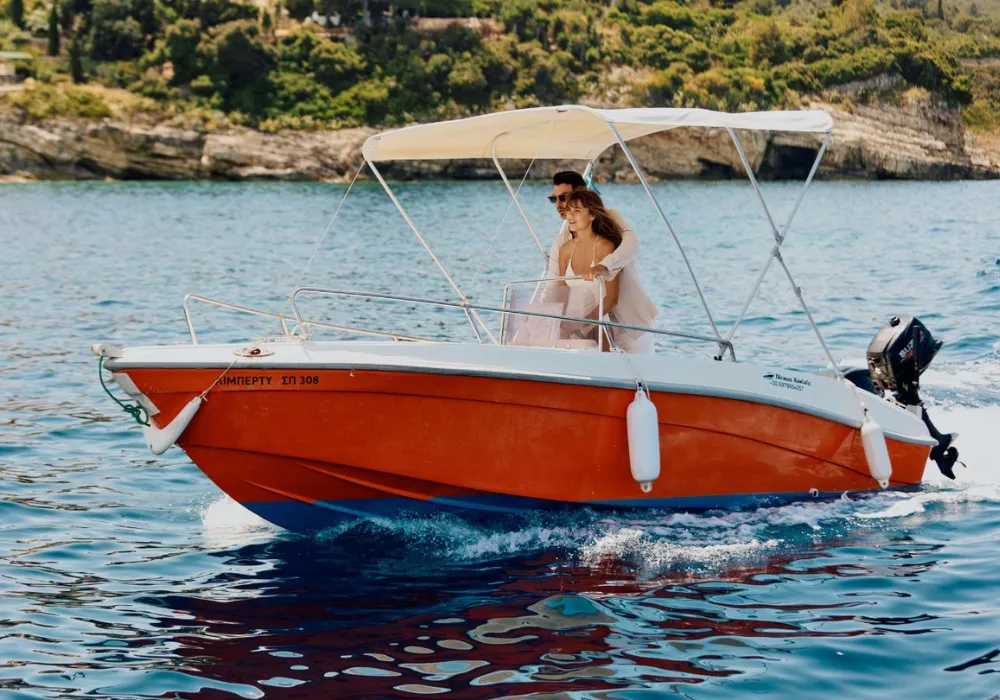
Thousands of years after Poseidon supposedly carved himself a quieter corner of the Ionian, the impulse suddenly makes considerable sense. Paxos does not exactly teach you how to slow down. It surrounds you with enough examples until, eventually, you stop thinking about doing it.
And that may be the moment the vacation actually begins.
Words have many different meanings. So does the Domes experience.
Related Posts
“Generous Kindness” and “Destination Guru” Stories From 91 Athens Riviera
more...
October 23, 2026
Rhodes Is Worth Waiting Until May For
more...
October 21, 2026
What Happens After Santorini’s Most Photographed Hour?
more...
October 13, 2026
Your Children Don’t Need a Different Crete
more...
October 9, 2026