February 9, 2023
Discover the Turkish Quarter, Splantzia, at Chania!
The Turkish quarter refers to the area of Chania city encircling the busy Splantzia Square, equally popular to visitors and locals of this city. Officially the square is now named 1821 Square following the Greek Revolution however locals refer to it as Splantzia, a Venetian withstanding name, to describe the neighborhood which housed the residences of the prominent Turks during the Ottoman occupation.
The rich history of the area dates back from the Venetian era when it was named Ponte Dei Viari referring to a bridge connecting the eastern gate of the Kasteli settlement with modern Daskalogianni St. and Splantzia Square. The bridge took the name of an affluent Venetian family who were benefactors of the city in difficult times.
The area had a lot of underground waters that is why there are findings of underground Venetian water tanks that could supply the city for 6 whole months. Current St. Nickolas church was originally the temple of the adjacent Monastery occupied by the Order of the Dominican monks, and was built in 1320. After the invasion of the Turks in 1645, the church is converted into a Mosque, named Houghiar Tzamissi – Hünkâr Camisi, by adding a minaret on the south side of the temple.
Splantzia Square becomes the focal point of Turkish social life and a central kiosk, of Arabic design, was the spot were political debates took place and decisions were made about the fate of the Greek Orthodox population. In the 1980s, an excavation at the square revealed a 27 steps descending staircase leading to an elaborate and impressive underground ottoman font. The font is an exquisite historical monument used as the place where the Muslims would wash themselves before entering their Mosque for prayer. Above ground the perennial plane tree that offers shade almost to the entire surface of the square, is a monument in itself. In 1821, the Turks, in fear of a Cretan Greek rebellion, hang on the tree, the Bishop of Kissamos, Melhisedek Despotaki, as a leverage of intimidation. The impressive in width and height plane tree was used as a spot of exemplary hanging of rebellious Greeks while below, the Turks were enjoying their social life by smoking narghile, tobacco and drinking Turkish coffee.
Words have many different meanings. So does the Domes experience.
Related Posts
Happening Now: Halloween Week At Lake Algarve
more...
October 31, 2026

World Travel Awards 2026: Recognition Begins With Devotion
more...
October 30, 2026
“Generous Kindness” and “Destination Guru” Stories From 91 Athens Riviera
more...
October 23, 2026
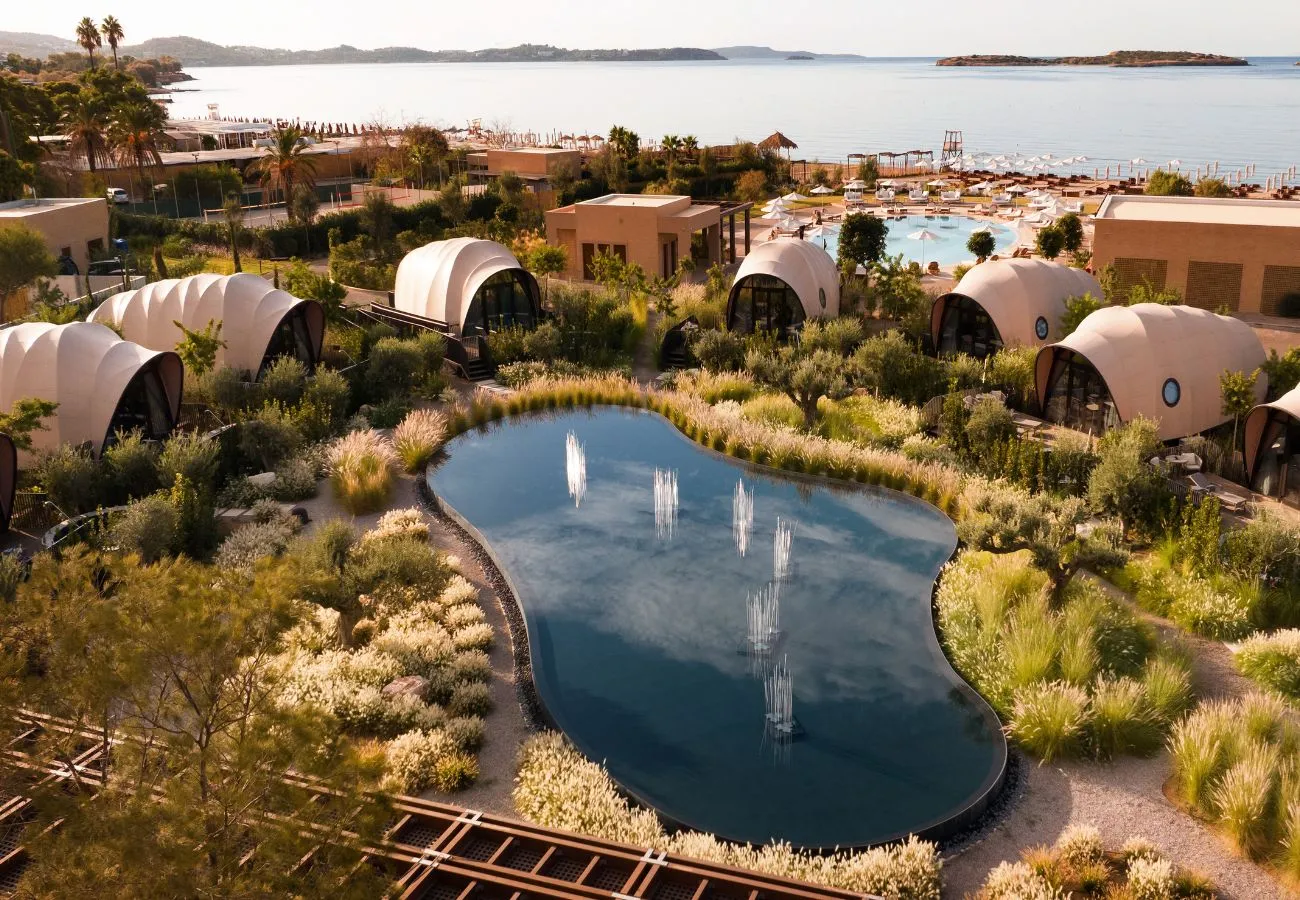
Rhodes Is Worth Waiting Until May For
more...
October 21, 2026