September 14, 2026
Zante Is Better When The Locals Stay In The Story
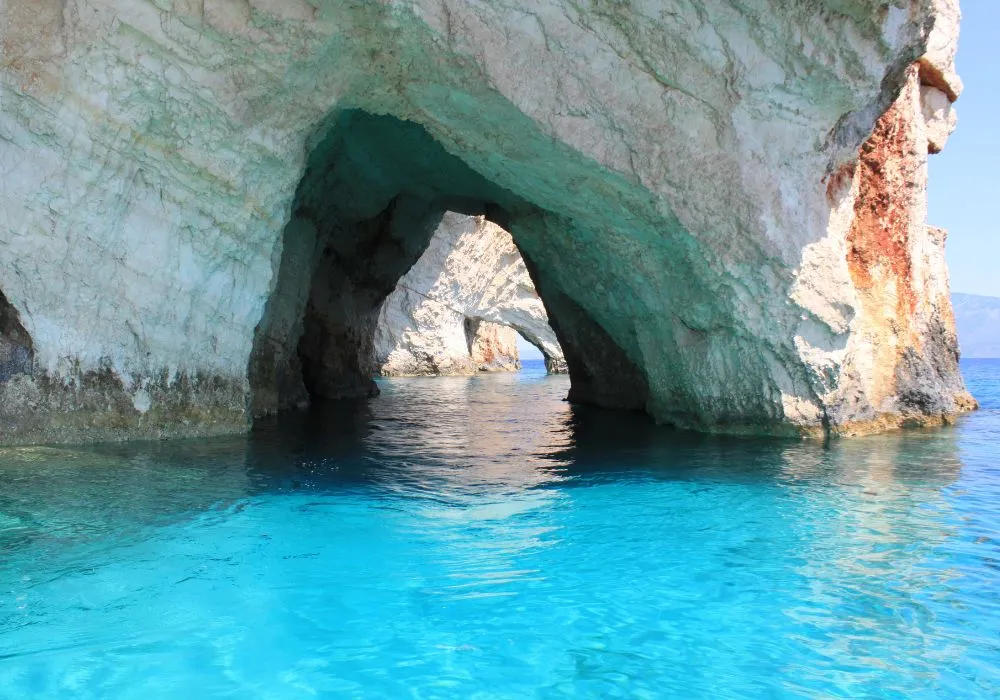
A gentle breeze. White cliffs. Unapologetic greenery. You know you are in Ionian waters, especially when a boat cuts through something impossibly turquoise. A turtle surfacing at precisely the right cinematic moment. You wonder, is this real?
Add a glass of wine sweating in the afternoon heat and, technically, you have a Greek holiday. Technically. Because places become considerably less interesting when reduced to their greatest hits.
Zakynthos, Zante, when familiarity has already set in, is better understood at ground level. Somewhere between the vineyard and the kitchen of the taverna. In the voices across a village square. Voices you can tell have been echoing for decades. Through recipes that did not begin as “local gastronomy experiences” but as somebody’s dinner growing up. In shops that existed before tourists discovered them.
Because the most compelling version of an island is rarely the one in which the traveller becomes its protagonist. Sometimes, it is enough to enter a story that was already happening, and was truly interesting to begin with.
Zante Is An Island You Can Taste
Zakynthian cuisine does not behave like food engineered to impress from the first photograph. It is garlic-heavy, generous, occasionally messy and wonderfully confident in itself.
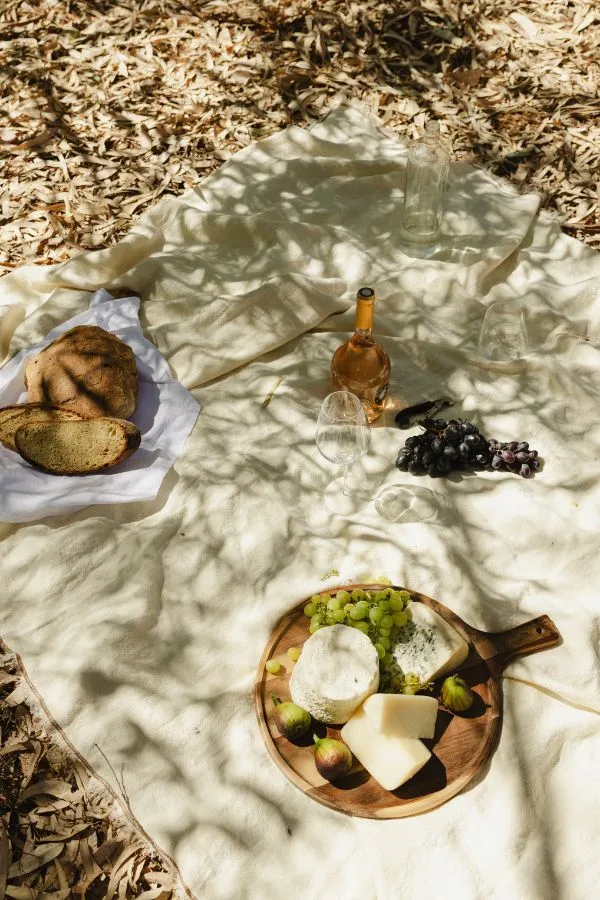
There are olives, honey, wine. Things grown because the soil allows them and repeated because generations decided they were worth repeating. Ladotyri, the island’s distinctive cheese preserved in oil, arrives with the sort of intensity that makes mild cheese seem like a wasted opportunity.
And that is where “local” becomes more interesting than a label printed somewhere on a menu. Somebody tended those vines for this wine to reach you. Somebody harvested the olives. Somewhere on the island, a grandmother almost certainly believes somebody else is making the dish incorrectly. And we got her back!
This is culture in perhaps its most resilient form, where it’s familiar, slow-made and passed around the table.
Zakynthos has a long winemaking tradition too, including Verdea, the island’s signature wine. Drinking it where it belongs changes the experience slightly. Wine, after all, makes more sense when the wind passes through the vines that made it happen.
There is a tendency in luxury hospitality to perfect things until the fingerprints disappear. The plate becomes immaculate. The experience becomes seamless. The provenance becomes a tasteful sentence underneath the ingredient list.
But knowing that something came from a nearby producer, that a vineyard has passed through generations, that the cheese belongs specifically to this island rather than to some broad and interchangeable idea of “Mediterranean cuisine” does not make dinner less luxurious. It just gives luxury a pulse and a deeper meaning.
At Domes Aulūs Zante, that relationship with the surrounding island matters. Local produce and collaborations with people from the destination allow the resort to function less as a sealed world and more as an entry point into Zakynthos itself.
Which, frankly, is the more interesting option.
Some Things Require People
Then there is the sound of the island.
The traditional, Zakynthian serenade, built around voices and string instruments, is almost too romantic. Yet its importance is not in how picturesque it sounds over dinner. It survives because people still know how to sing it. That distinction matters, because the custom on its own matters, outside of built-in contexts.
Culture becomes rather lifeless when hospitality treats it like interior decoration, even though it could be beautiful and authentic. A woven object in a lobby. An old photograph placed beside a beautifully lit reception desk. Those things may reference a place, but they cannot replace the people who make the place recognisable. And perhaps this is where modern luxury is becoming more intelligent.
Leaving The Resort Can Be A Part Of It
There is another Zante beyond the sunbed. You should probably go and find it.
Walk through Zakynthos Town in the evening. Go into the local shops. Sit somewhere without having first examined forty-seven reviews. Let someone recommend something. Drive inland. Notice how quickly the visual language changes once you move away from the beaches.
The island has lived through rupture before. The catastrophic earthquake and fires of 1953 destroyed much of Zakynthos Town, forcing large parts of it to be rebuilt. The cultural memory that survived, paintings, religious works, architecture, music, recipes, therefore carries a certain weight.
Tradition here is not merely something preserved because visitors find it charming. It survived because Zakynthians considered it worth keeping. That makes participation in local life feel different.
Domes Aulūs encourages precisely this movement outward, towards Zakynthos Town, local businesses and experiences beyond the boundaries of the resort. That is important because the best hotels are not substitutes for their destinations. They are gracious translators. They make an unfamiliar place easier to enter without making it so easy that discovery disappears entirely.
Even its most famous natural resident tells a story about coexistence. The Caretta-caretta sea turtle nests along the island’s beaches, including areas close to the resort. Conservation partnerships and protected nesting zones introduce another useful thought into the luxury-travel conversation, that sometimes being a good guest means accepting that some worthy experiences are rewards to your inconvenience.
The Luxury Of Coming Back
Perhaps this explains why travellers with almost limitless options still return to the same hotels, restaurants and islands. Luxury travel is increasingly about frequency rather than one grand annual escape. People travel more often, sometimes with shorter planning windows, while becoming more selective about what actually feels worth the money.
And familiarity, curiously enough, has become valuable. Not predictability. Familiarity. There is a difference. Predictability is knowing exactly what will happen. Familiarity is recognising the waiter, remembering your favourite wine from that particular restaurant.
Knowing where the road turns towards the village. Buying something from the same small shop. Hearing a song and realising you have heard it here before. Eventually a destination stops behaving like scenery and begins accumulating memories.
Zakynthos does not need tourism to invent an identity for it. It has vineyards, kitchens, songs, fishermen, artisans, shopkeepers, conservationists, families and stories perfectly capable of doing that themselves.
The better kind of visitors simply makes room for it to thrive and remain evident. And perhaps that is what sophisticated hospitality should increasingly mean, not protecting the guest from the destination, but bringing the two closer together.
Because Zante is beautiful when photographed from above. But it becomes much harder to forget once you meet it at eye level.
Words have many different meanings. So does the Domes experience.
Related Posts
“Generous Kindness” and “Destination Guru” Stories From 91 Athens Riviera
more...
October 23, 2026
Rhodes Is Worth Waiting Until May For
more...
October 21, 2026
What Happens After Santorini’s Most Photographed Hour?
more...
October 13, 2026
Your Children Don’t Need a Different Crete
more...
October 9, 2026